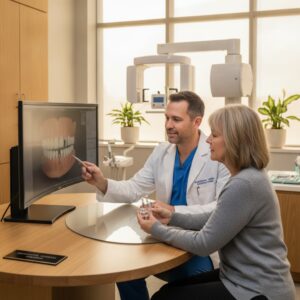
A sinus lift, also known as sinus augmentation, is a common procedure performed by periodontists to prepare the jaw for dental implants. It involves carefully lifting the sinus membrane and adding bone graft material to the area where the implants will be placed. This additional bone helps to create a strong foundation for the implants and increases the chances of successful long-term restoration.
While the procedure sounds complex, it is actually quite common and has a high success rate. Many people considering dental implants have questions about sinus lifts. Here are some of the most frequently asked questions:
What is a Sinus Lift?
A sinus lift is a surgical procedure that adds bone to the upper jaw, specifically in the area where the back teeth are located. This area is close to the maxillary sinuses, which are air-filled cavities located above the upper teeth. Over time, bone loss in the upper jaw can occur due to tooth loss, periodontal disease, or trauma. This bone loss can make it difficult or impossible to place dental implants in this area.
Why is a Sinus Lift Necessary?
Dental implants require a strong and healthy foundation of bone to be successful. If there is not enough bone in the upper jaw, the implants may not be able to properly integrate with the bone and could fail. A sinus lift helps to increase the amount of bone available for implant placement, which significantly improves the chances of long-term success.
Who Needs a Sinus Lift?
Not everyone who needs dental implants will require a sinus lift. The need for the procedure depends on the amount of bone available in the upper jaw. Your periodontist will take X-rays and perform a thorough examination to determine if you have enough bone for implants or if a sinus lift is necessary.
What Happens During a Sinus Lift Procedure?
The sinus lift procedure is typically performed under local anesthesia or intravenous sedation. During the procedure, your periodontist will make a small incision in the gum tissue and gently lift the sinus membrane upwards. The newly created space will be filled with bone graft material. The incision is then closed with sutures, and the bone graft material is allowed to heal and integrate with the existing bone. This healing process typically takes several months.
What are the Risks Associated with a Sinus Lift?
Like any surgical procedure, there are some risks associated with sinus lifts. However, these risks are relatively low and the procedure is considered to be very safe. Potential risks include bleeding, infection, and damage to the sinus membrane. Your periodontist will discuss these risks with you in detail before the procedure.
What is the Recovery Like After a Sinus Lift?
After the sinus lift procedure, you may experience some swelling and discomfort. Your periodontist will prescribe pain medication to help you manage any discomfort. You will also need to follow a soft diet for a few weeks while the bone graft heals. Most people return to their normal activities within a few days.
How Long Does the Bone Graft Take to Heal?
The bone graft material will typically take several months to heal and integrate with the existing bone. Once the healing is complete, you will be able to proceed with the dental implant placement.
How Long Do Dental Implants Last?
With proper care and maintenance, dental implants can last a lifetime. They are a durable and reliable solution for replacing missing teeth.
What are the Benefits of Dental Implants?
Dental implants offer a number of benefits over traditional dentures or bridges. They look, feel, and function like natural teeth, allowing you to eat, speak, and smile with confidence. They also help to preserve the health of your jawbone and prevent further bone loss.
How Do I Find a Qualified Periodontist?
It is important to choose a qualified and experienced periodontist to perform your sinus lift and dental implant placement. Ask your dentist for a referral or search online for periodontists in your area. Be sure to check their credentials and experience before making an appointment.
Conclusion
Sinus lifts are a safe and effective way to increase the amount of bone available for dental implants in the upper jaw. If you are considering dental implants, talk to your periodontist about whether a sinus lift is necessary for you.