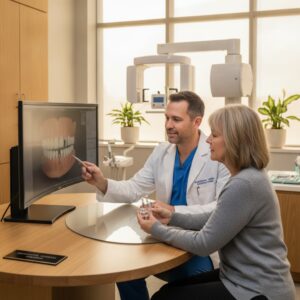
A dentist can recommend installing dental implants if you have several missing teeth due to advanced gum disease or trauma. The implants are screw-like posts surgically placed on the jaw to work like the roots of your teeth. They provide a long-lasting solution to missing teeth. After the implants fuse with the jawbone, a dentist will attach artificial teeth such as crowns. After installation of the implants, you need to maintain them properly through the following ways:
Good Oral Hygiene
Brushing and flossing your teeth prevents the accumulation of food debris, dirt, plaque, and tartar on your teeth. You can use an antibacterial mouthwash to prevent bacteria growth and ensure the implants are in good condition.
Regular Dental Check-ups
Another way to maintain your implants is to visit your dentist regularly. A dentist will monitor the health of your teeth and gums and ensure the implants are in the right position. They can also check for any signs of implant failure or infection and offer treatment as soon as possible.
X-Rays
X-rays should be taken regularly to check the condition of the bones and implants. It helps prevent whether the implants have adequately fused with the existing bone. Dentists can identify any signs of implant failure or bone loss early enough.
Bite Adjustments
After a time, the implants can move slightly or shift in position. The condition can cause discomfort and affect your bite. A dentist will adjust the implants and ensure they are as comfortable as possible.
Practice Health Habits
Some practices, such as grinding your teeth, can affect the integrity of the implants. You should avoid applying too much pressure on the just-installed implants. A healthy lifestyle will also increase the success rate of an implant. You should avoid smoking and adhere to a healthy diet during healing. Good practices will ensure the success and longevity of the implants.