At Periodontal Associates, we understand that the prospect of dental implants can bring about both excitement and apprehension. A key aspect of successful implantology is a strong foundation, quite literally. This is where bone grafting for dental implants comes into play, a critical procedure that ensures a solid base for your implants and promotes successful outcomes. Whether you’re considering dental implants or exploring options to restore your smile, understanding the role of bone grafting can help set realistic expectations and ease concerns.
Understanding Bone Grafting
Bone grafting is a surgical procedure aimed at augmenting areas where bone is inadequate. This insufficiency can compromise a dental implant’s success, necessitating bone grafting for stabilization. At its core, the procedure involves adding bone material to specific areas to encourage new bone growth and fusion.
The process starts with an assessment of your jawbone’s density and health. Bone loss can result from periodontal disease, injury, or long-standing tooth loss. By restoring the bone volume, dental implants provide a robust structure to adhere to, increasing the longevity of your investment.
Ideal Candidates for Bone Grafting
Not everyone in need of dental implants will require bone grafting. The procedure is typically recommended for individuals who have experienced bone loss due to various factors, such as chronic periodontal disease or significant trauma to the jaw. During a thorough evaluation at Periodontal Associates, our experts assess your oral health to determine if bone grafting is necessary.
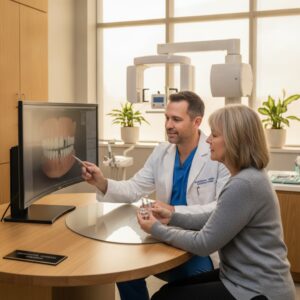
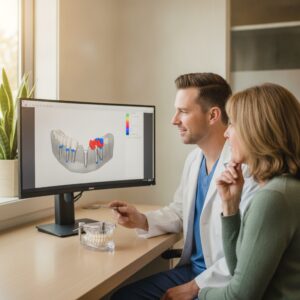
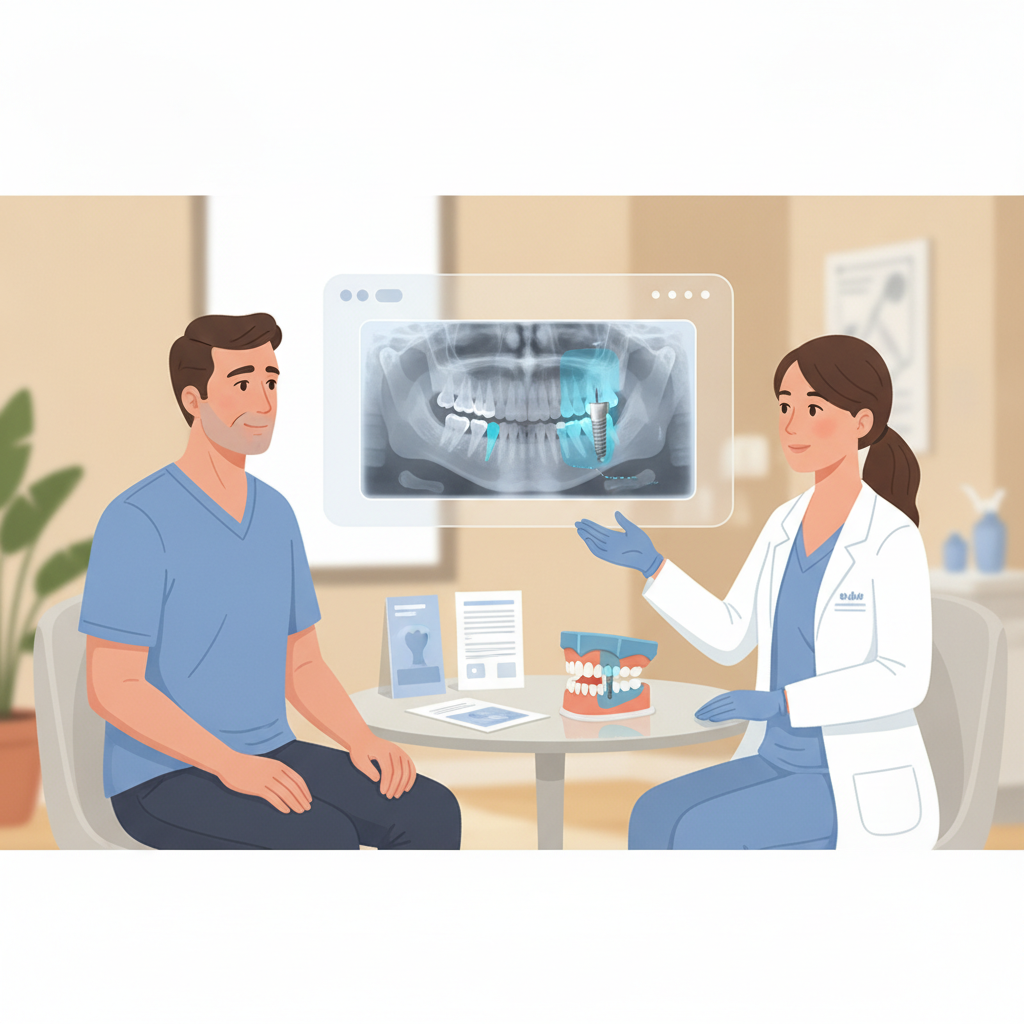
Advanced imaging techniques allow us to meticulously visualize your bone structure. Based on this evaluation, we can discuss whether bone grafting will provide a stronger foundation for implants and explain how it integrates into your personalized treatment plan.
Types of Bone Grafting Materials
Remarkably versatile, bone grafting can utilize different materials to achieve its purpose. Understanding your options can help you make an informed choice. Autografts, sourced from the patient’s own body, are often preferred for compatibility and lower rejection rates. However, alternative options include allografts (cadaver bone), xenografts (animal bone), and alloplasts (synthetic materials).
Each material comes with unique benefits and considerations. For instance, while autografts are biocompatible with negligible risk of rejection, synthetics like alloplasts minimize the need for additional surgeries, simplifying the process and recovery.
The Bone Grafting Procedure
The bone grafting process is methodically executed at Periodontal Associates, with patient comfort as a top priority. Initially, sedation options are discussed to ease anxieties and manage discomfort. The surgery involves precisely placing the graft material in the deficient area and securing it for stability.
This procedure can take place in the office and typically requires a few hours. Post-procedure, gentle care and adherence to our recovery guidelines will facilitate healing, a critical phase before implants can be placed.
Post-Operative Care and Recovery
Recovery from bone grafting varies, but most patients can expect a period of three to six months before the graft matures enough to support an implant. During this time, Periodontal Associates will provide a comprehensive care plan, including oral hygiene tips and dietary considerations. Monitoring visits will ensure the graft is integrating well, and any concerns are promptly addressed.
Patients are encouraged to avoid smoking and maintain consistent oral hygiene, both of which are crucial for preventing infections and ensuring a smooth healing trajectory.
Risks and Potential Complications
Like any surgical intervention, bone grafting carries inherent risks, including infection, graft failure, and prolonged recovery. However, our experienced team at Periodontal Associates takes every precaution to mitigate these risks. Detailed pre-operative assessments, advanced surgical technologies, and personalized follow-up care significantly reduce complications.
In the unlikely event of complications, prompt management strategies are in place at our Portland, OR office, ensuring patient outcomes remain favorable and predictable.
Why Choose Periodontal Associates?
Periodontal Associates stands as a beacon of excellence in dental implantology and bone grafting. Our expertise, combined with state-of-the-art technology and unwavering patient dedication, sets us apart. Conveniently located in Portland, OR, we provide individualized care plans that focus on enhancing patient comfort and understanding at every phase of treatment.
Our commitment extends beyond the procedure, encompassing pre-surgical planning, surgical precision, and post-operative care to ensure the best possible results for our patients.
Schedule Your Consultation Today
If you’re considering dental implants, let Periodontal Associates guide you through every step. Our expertise in bone grafting for dental implants combined with our focus on patient comfort ensures a seamless experience. Contact us today to schedule a consultation at our Portland, OR office and let us help you achieve your dental health goals with confidence.