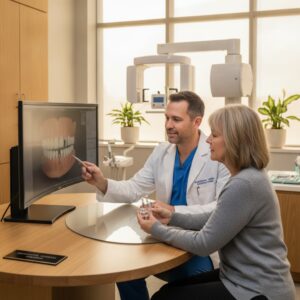
As people get older, they face many challenges. Dental aging is one of the challenges and side effects of enduring a long, full life. As we age, we are susceptible to have receding gums. Usually, the gums will shrink and recede naturally as we grow older. This recession of the gums exposes the more sensitive surfaces of the tooth, near the root. As a result, older people are more likely to have cavities within or near the base of their teeth. Often, the damage may at times go unnoticed because older people lose some sensitivity. Besides, older people experience dry mouth and their enamel may be worn because of the lifetime use of the teeth.
 How to Care for the Teeth
Although there is little you can do with the natural aging process, it is still important you maintain a healthy dental regimen. Despite the increased chances of experiencing tooth decay, you can still protect the teeth. Therefore, as an elderly person, brush twice a day, particularly after eating. Get an electric toothbrush that has soft bristles if you have difficulties moving the manual toothbrush. Also, floss regularly, at least one. This way, you are able to hit the spots in between your teeth and the areas near the gum line where you remove plaque and food debris.
Moreover, chew sugar-free gum to help combat dry mouth. Chewing gum helps stimulate the production of saliva, which is a natural cleanser of the mouth. Saliva bathes away bacteria and food particles thus reducing the buildup of plaque.
Additionally, rinse the mouth regularly. While rinsing may not be as effective as the bathing done by natural saliva, it can be helpful, particularly after consuming high-sugar or acidic foods in order to help reduce their effects on the gums and teeth. Coffee, orange juice, soda, and wine are common culprits, therefore consider having a quick water rinse once you consume them. Visit our periodontist for checkups to make sure that your oral health stays a notch higher.