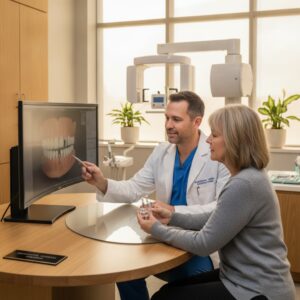
Periodontal gum disease is an inflammatory condition characterized by loss of attachment of the teeth to the alveolar bone and supporting periodontium due to an over-accumulation of plaque, microbial products, and food debris in the periodontal pockets. Fortunately, periodontal gum disease treatments are available for people with moderate to advanced periodontitis. Here are some treatments for periodontal gum disease:
Good Oral Hygiene
Periodontal gum disease is caused by bacteria that build up around your teeth and gums (gingiva). These bacteria cause inflammation that leads to pockets between your teeth and gums. The bacteria also produce toxins that irritate the gums and cause them to recede from the tooth roots, causing loose teeth.
Flossing your teeth daily and brushing them twice daily can help prevent periodontal gum disorder by removing plaque between your teeth. It would help if you also rinsed with an antibacterial mouthwash after brushing to eliminate any remaining particles in your mouth.
Scaling and Cleaning
Scaling removes deposits from the teeth, such as plaque and tartar. It can be done by hand or with a scaler, a special tool that removes plaque and calculus (tartar). In some cases, dental floss may be used to clean between teeth that are close together.
When scaling is necessary, it should be done every six months or sooner if you have any signs of gum disease. If you suffer from periodontal (gum) disease, your dentist may recommend scaling more often than every six months. Your dentist or hygienist will show you how to do it at home.
Root Canal Therapy
This involves a procedure carried out to treat infected or injured pulp inside a tooth. The pulp is the soft tissue inside the tooth that connects to nerves, blood vessels, and nerves (inside the tooth). A root canal removes all of this tissue from inside the tooth so it can no longer cause pain or infection. After a root canal procedure, most patients experience immediate relief from their symptoms.