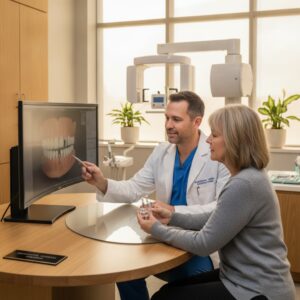
Dental soft tissue grafting is a surgical procedure used to improve the appearance and function of teeth. This procedure can correct several dental problems, including gum recession, tooth decay, and smile asymmetry. Read on to know more.
The procedure of Dental Soft Tissue Grafting
Dental soft tissue grafting is a surgery that replaces lost gum tissue around your teeth. It can be caused by genetic disposition, periodontal disease, or tooth loss and is often a necessary precursor to dental implants. The procedure involves taking a strip of tissue from the roof of your mouth and affixing it to the exposed root. This additional tissue helps to support the implant and protects against further recession. In some cases, a connective tissue graft may be used instead of normal gum tissue. This graft is taken from deeper layers of the mouth and involves a more complicated surgery. However, it can provide better long-term results. Dental soft tissue grafting can be essential for maintaining your oral health and preventing further tooth loss.
Who Is a Candidate for Dental Soft Tissue Grafting?
Common dental soft tissue grafting reasons include receding gums, root coverage, and esthetic improvement. In short, anyone who has lost gum tissue due to disease or trauma may be a candidate for this type of procedure. The oral surgeon will evaluate the patient’s individual needs and determine if dental soft tissue grafting is the best course of treatment. Thanks to advances in surgical techniques, this procedure can be performed quickly and easily, with minimal discomfort and downtime.
Aftercare of Dental Soft Tissue Grafting
After your dental soft tissue grafting surgery, it is essential to take care of your mouth. You will need to avoid strenuous activity for at least 24 hours after the procedure. It is also important to eat soft foods and brush your teeth gently to avoid disturbing the graft site. Your oral surgeon will give you specific instructions on caring for your mouth after the surgery. Following these instructions carefully will help you heal quickly and prevent complications.
If you consider this procedure, consult with our experienced oral surgeon to discuss your options.